

KEYNOTE Speakers

Prof. Gordon Huang
Faculty of Engineering
and Applied Science, University of Regina, Canada
Dr. Gordon Huang is University Distinguished Professor and ex-Canada Research Chair Tier 1 at the University of Regina (UofR), Canada. He is also UofR's Executive Director of the Institute for Energy, Environment and Sustainable Communities. He is the Fellow of Canadian Society for Civil Engineering, Canadian Academy of Engineering, and Engineering Institute of Canada, the President of International Society for Environmental Information Sciences, and the Editor-in-Chief for J. of Environmental Informatics (SCI JCR Q1). He published over 1,000 journal papers with an h-index of 90 in Science Citation Index under Web of Science (Google Scholar h-index over 100), and trained over 100 graduate students. His pioneering work in operational environmental risk management has been recognized as a significant innovation, and has influenced government and business approaches for tackling environmental challenges and formulating related policies.

Prof. Yongping Li
Beijing Normal University, China
Yongping Li is a Changjiang Scholar Professor at Beijing Normal
University, China. She receives her MSc and PhD Degrees from the University of
Regina, Canada. Her research interests involve in energy and environmental
systems analysis, environmental pollution control, and decision making under
uncertainty. Dr. Li has led or involved in over 60 energy- and
environment-related research projects supported by industrial, governmental and
international organizations. She has produced more than 400 peer-refereed
international journal papers (with a SCI-based H-index of 50). She has been
continuously selected as a highly cited scholar in the field of “Environmental
Science” (by Elsevier) since 2013. She supervised over 70 Master/PhD students.
Dr. Li was received a number of awards such as Distinguished Young Scientist
Award, New Century Excellent Talents in University, the National Natural Science
Funds for Distinguished Young Scholar, the National Award for Youth in Science
and Technology, and the National Award for Youth Female Scientist.
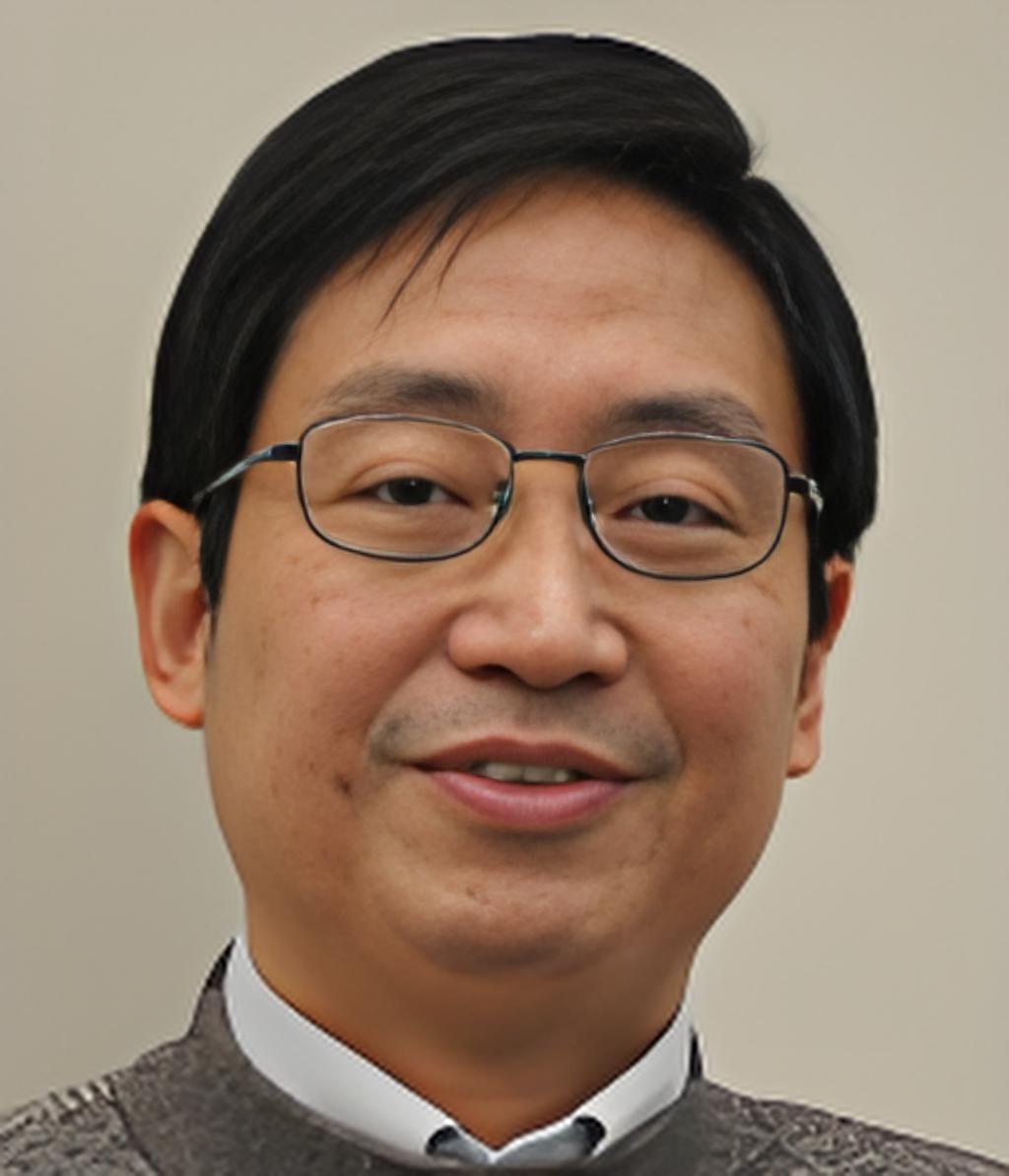
Prof. Guangwei Huang
Sophia University, Japan
Dr. Huang is a Professor at Sophia
University, Japan, and currently serves as the Dean for the Graduate School
of Global Environmental Studies. He received his BSc from Fudan University,
China, Master and Doctoral degrees from the University of Tokyo.
Before joining Sopha in 2011, his career included Associate Professor at the
University of Tokyo, Kanazawa University, and Niigata University, and
Professor at the National Graduate Institute for Policy Studies. From 2015
to 2022, he was the Director of the Institute for Studies of the Global
Environment, Sophia University.
Passionate about water environment, his study has evolved from fluid
dynamics to water quality modeling and monitoring, urban flood risk analysis
and reduction, and further to integrated watershed science and management.
In recent years, his main research focus has been sustainability science
from multiple perspectives, such as how urban sustainability development may
cause rural unsustainability, how water culture may hinder sustainable
living, and wetland conservation and wise use can contribute to social
sustainability, and how environmental impact assessment should be conducted
under the framework of sustainability. Wording differently, he uses water as
a nexus to link the three pillars of sustainability.
He has peer-reviewed publications in various international journals such as
Journal of Environmental Informatics, Natural Hazards, Hydrobiologia,
Environment Pollution, International Journal of River Basin Management,
Sustainability, etc. In 2019, he received the award of distinguished
scientist from the International Society for Environmental Information
Sciences (ISEIS). Further, he is the Editor in Chief for International
Journal of Global Environmental Issues.
At this conference, he will deliver a talk about integrated watershed
management for contributing to the achievement of SDGs.